
Contributors + Strategic Partners
The right expertise. One accountable mission.
D2EMC keeps founder-level operational accountability at the center, then brings in selected contributors and aligned organizational partners when a mission requires additional clinical, educational, technical or simulation depth.
The D2EMC standard
A network should add depth—not confusion.
The client should always know who is responsible, why each person or organization is involved, and how every contribution supports the operational objective.
D2EMC remains the coordinating point.
From the first readiness question through final delivery and follow-through, the engagement retains one accountable lead and one integrated standard.
Expertise follows the problem.
Contributors and partners are selected around the hazard, audience, operating environment and deliverable—not added simply to make the team appear larger.
Participation is defined before delivery.
Scope, roles, decision authority, client communication and documentation responsibilities are established for the specific engagement.
Contributor network
Experience selected around the mission.
Explore the people currently presented within the D2EMC contributor network and the operational perspective each can bring to an appropriate scope.
Participation standard: Contributor profiles identify relevant expertise. Listing does not imply participation in every D2EMC engagement. The actual team is confirmed during scoping.
Swipe left • Tap a profile to view contributor details.
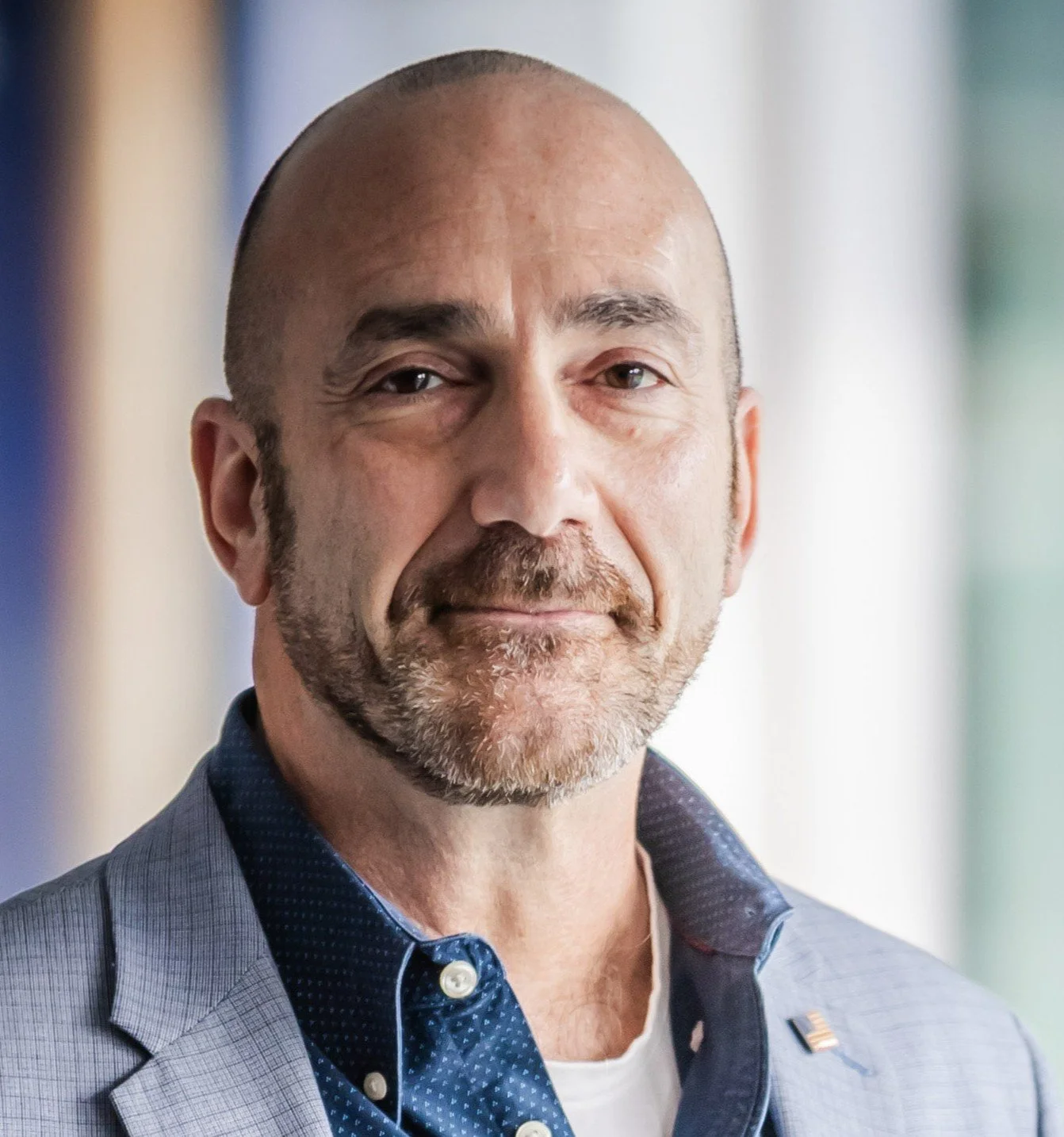
David A. DiGregorio, PA, MSEM, MSPAS
Operational leadership across military medicine, CBRN/HazMat response and hospital readiness.
David leads D2EMC engagements from scope through delivery. His experience includes 32+ years of military service, including military medicine; senior Massachusetts HazMat leadership from 2014 through 2023; hospital CBRN readiness assessment, practical training and complex exercise design. He remains responsible for assembling the right team and integrating its work into one decision-ready result.
- Military Medicine + CBRN
- State HazMat Leadership
- Hospital Readiness
- Exercise Design + Evaluation
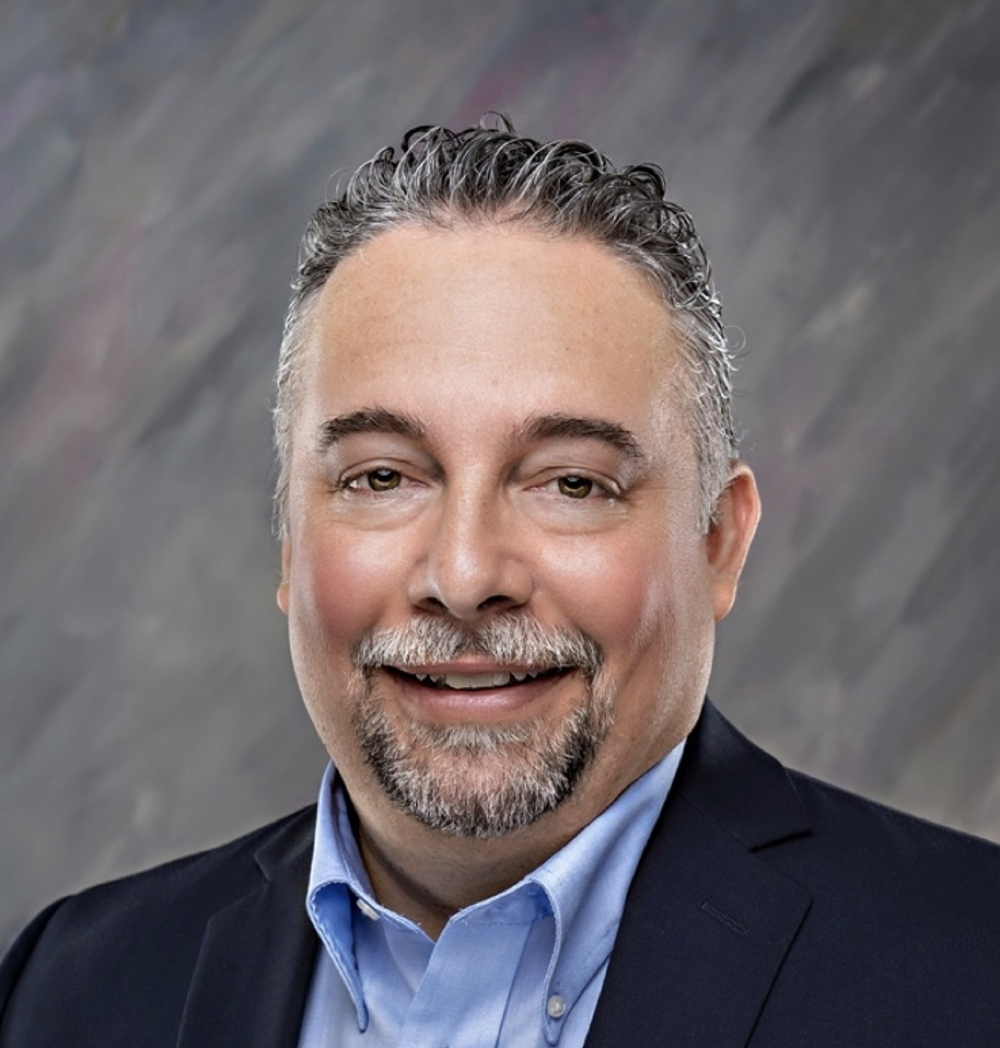
Gregory R. Ciottone, MD, FACEP, FIBODM, FFSEM
Disaster-medicine, clinical leadership and healthcare-system CBRN expertise.
Dr. Ciottone is Professor of Clinical Emergency Medicine at Harvard Medical School and founding director of the Beth Israel Deaconess Medical Center Fellowship in Disaster Medicine. His work spans disaster medicine, healthcare CBRN preparedness, clinical leadership, education and international response systems.
- Disaster Medicine
- Healthcare CBRN
- Clinical Leadership
- Medical Preparedness
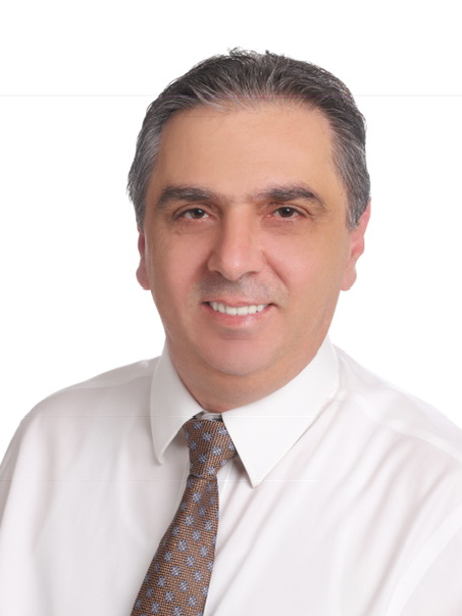
Fadi Salah Issa, MD
Emergency and disaster medicine education, simulation, CBRN preparedness and decontamination.
Dr. Issa is an Instructor in Emergency Medicine at Harvard Medical School and Director of Education for the Beth Israel Deaconess Medical Center Fellowship in Disaster Medicine. His work includes disaster-medicine education, CBRN preparedness, decontamination, PPE and simulation for healthcare professionals.
- Disaster-Medicine Education
- CBRN Preparedness
- Decontamination + PPE
- Simulation
Organizational partners
Capabilities that strengthen the work.
D2EMC works with a small, intentional group of organizations whose educational or simulation capabilities can materially strengthen selected training, exercise and readiness engagements.
Disaster Medicine Institute
DMI provides evidence-based disaster-medicine and CBRN education for clinical and field audiences. Selected programs can connect formal learning with D2EMC's practical operational application and hands-on readiness work.
- Disaster-medicine education
- Clinical and responder audiences
- Selected co-delivery pathways
SYGNAL
SYGNAL adds realistic, repeatable hazard cues to selected HazMat and CBRNE exercises. Simulated detector readings, evolving hazard conditions, shared sessions and playback can give teams operational information they must interpret and act upon.
- Simulated gas-detection environments
- Shared scenario information
- Performance review and playback
Training simulation only: SYGNAL-generated readings are simulated. During actual incidents, use calibrated detection instruments, approved procedures and qualified professional judgment.
Explore SYGNALRelationship standard: DMI and SYGNAL are independent organizational partners. Their capabilities and participation are scoped to the needs of each engagement; neither partner is implied to participate in every D2EMC project. Institutional affiliations identify individual professional roles and do not imply endorsement, sponsorship or project participation by Harvard University, Harvard Medical School or BIDMC.
Integrated readiness model
Knowledge becomes readiness when it survives pressure.
Click through the four layers to see how education, operational application, simulation and evidence can connect—when the scope calls for them.
Learn what matters.
Evidence-based education creates the clinical and scientific foundation people need before they can make sound decisions in a complex emergency.
Apply it operationally.
D2EMC connects knowledge to the organization's actual plans, roles, equipment, authorities and operating environment through assessment, training and exercise design.
Test it under pressure.
When appropriate, simulation introduces changing information and realistic hazard cues that teams must recognize, interpret, communicate and act upon.
Document what works.
Observed performance becomes a clearer picture of strengths, gaps and priority actions leadership can assign, resource, revisit and validate.
How the network works
Clear roles from scope to delivery.
The team is built after the operational question is understood—not before.
Clarify the mission.
Identify the decision, hazard, audience, operating environment, timeline and evidence the engagement must produce.
Select the depth.
Choose only the contributors, partner capabilities and technical disciplines the scope genuinely requires.
Build one approach.
Align objectives, roles, client communication, materials, facilitation, evaluation and documentation before delivery.
Own the result.
D2EMC remains the coordinating point and turns the team's work into a coherent, decision-ready outcome.
Different disciplines. One readiness architecture. One accountable delivery standard.D2EMC operating principle
Network questions
Clear roles before the work begins.
Direct answers about participation, partnerships and accountability.
01 Does every contributor work on every D2EMC engagement?
02 Are DMI and SYGNAL part of D2EMC?
03 Who remains accountable to the client?
04 Can we request a particular contributor or partner capability?
05 Can D2EMC work with our existing internal experts and vendors?
Build the right team
Bring the operational question. We’ll shape the right scope.
Tell D2EMC what your organization needs to assess, strengthen, train, exercise or evaluate. The operational need will determine the scope and expertise—not a generic package.